
CRM Selection Mistakes: Choose Workflow Fit Before Features
The biggest CRM selection mistake is buying features before proving workflow fit. A good CRM should match how your B2B team manages leads, follow-up, quotes, documents, approvals, reporting, and customer service.
BROSH CRM buyers should evaluate the system against real work, not a generic feature checklist.
Last modified by BROSH CRM, on Tue Aug 11 2026 Israel Time
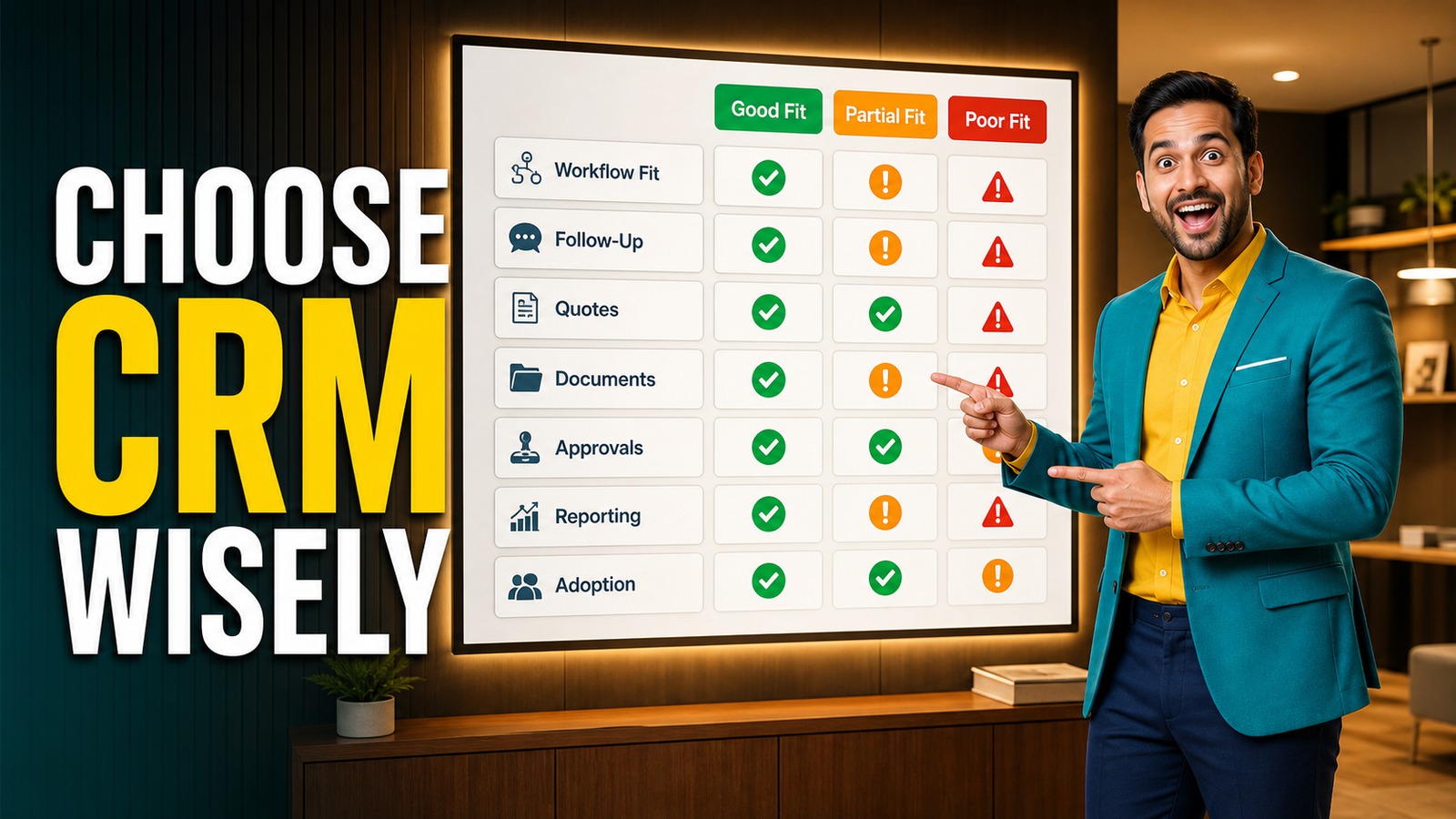
CRM Selection Mistakes becomes easier when the team can see owners, next actions, customer context, and management signals in one place.
Do Not Choose CRM From a Feature List Alone
Feature lists can look impressive while hiding the real question: will your team use the system to manage customer work every day? The right CRM should make ownership, follow-up, documents, quotes, and reporting easier.
The SBA market research guidance encourages businesses to understand customer needs and competitive context. CRM selection should follow the same practical logic: define the real problems before choosing the tool.
The NIST AI Risk Management Framework is relevant when buyers evaluate automation claims. Ask whether the system keeps decisions accountable, explainable, and useful for daily work.
Test Real Workflows Before Buying CRM
Before choosing a CRM, test the workflows that matter most: lead entry, owner assignment, follow-up, quote creation, approval, document handling, service request, and manager reporting.
Use related BROSH guides on what CRM manages and project management with Gantt charts to evaluate whether customer work can stay connected after the sale.
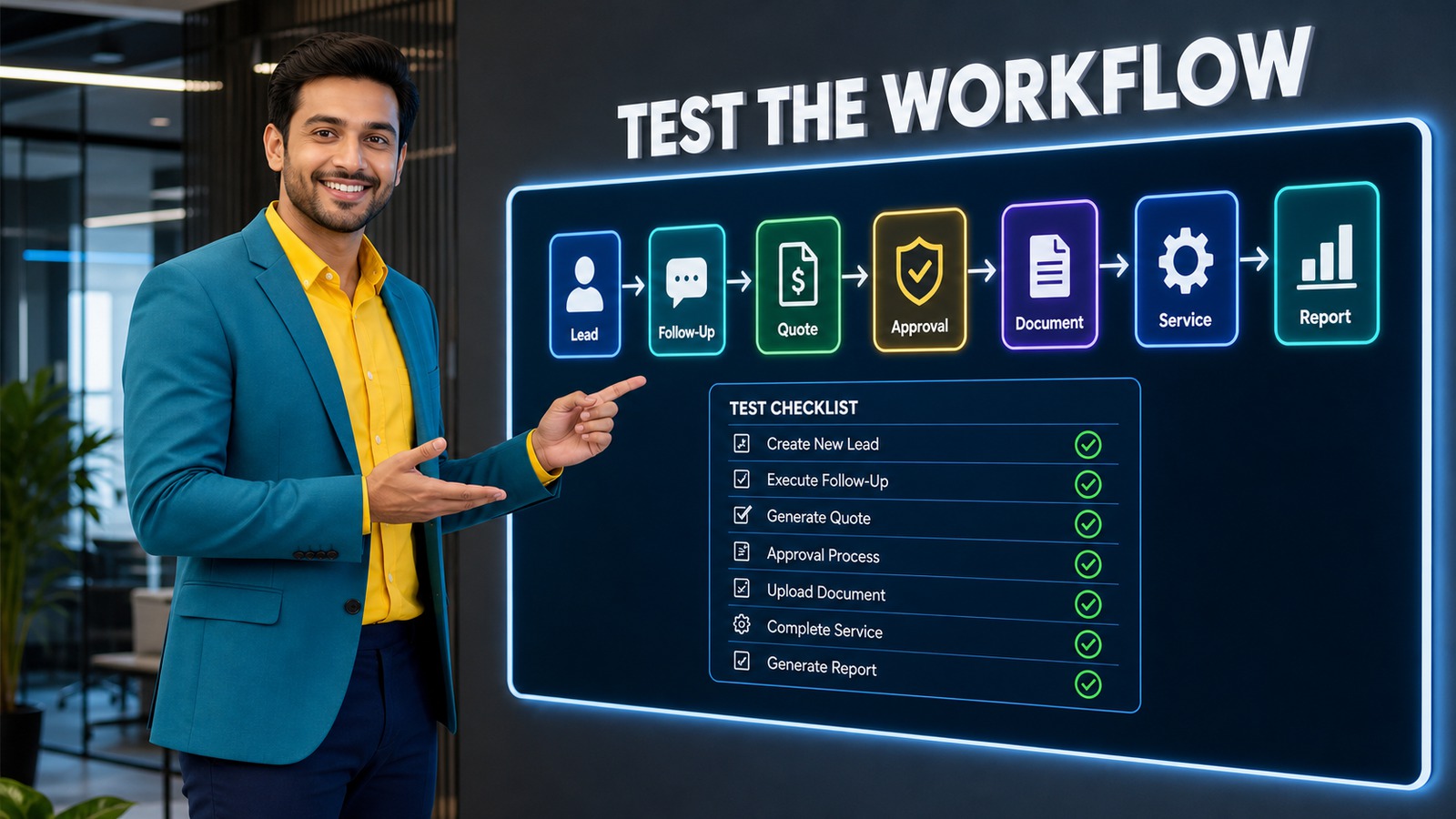
The image beside this section shows the operating model as a clear business workflow, not a disconnected list.
What to Track in BROSH CRM
Keep the workflow simple enough for daily use and structured enough for managers to act on it. Focus on the fields that make customer work move: owner, next action, status, document, quote, risk, and date.
Workflow Fit
Can the CRM handle your actual lead, quote, document, service, and approval process?
Adoption
Can users update records quickly enough that managers will trust the data?
Reporting
Can managers see customer risk and next actions without manual cleanup?
Connect this workflow to related BROSH guidance on what CRM manages, smart scheduling, Kanban pipeline visibility, and documents and e-signatures.

The management view should make the next decision easy to see.
Score CRM Fit With Business Criteria
A practical CRM scorecard should rate adoption, data quality, follow-up, quote status, documents, reporting, support, and implementation effort. These criteria matter more than attractive screens that do not match the team’s process.
BROSH CRM is strongest when the buyer needs customer records, follow-up, quote visibility, documents, approvals, tasks, and reporting in one business workflow.
How to Put This Into Practice
Start with the real workflow. Map the way your team handles a lead, quote, document, customer request, approval, or renewal before adding fields.
Assign ownership. Every important record should show who is responsible for the next action and when it is due.
Use reports to change behavior. Good CRM reporting should help managers see what needs attention, not simply count activities after the fact.
Prepare for automation carefully. Teams that want smarter reminders or AI-assisted work should first clean their process and data, then continue with AI-ready CRM operations and agentic AI CRM workflows.
Questions and Answers
What is the most common CRM selection mistake?
The most common mistake is choosing CRM by feature list instead of testing the real workflows the team must run every day.
How should a B2B team test CRM fit?
Test lead assignment, follow-up, quote status, document handling, approvals, reporting, and customer service scenarios before choosing.
Why does CRM adoption fail?
Adoption often fails when the CRM does not match daily work, requires too much manual entry, or does not give users and managers useful feedback.
How can BROSH CRM help with CRM selection?
BROSH CRM can be evaluated around practical B2B workflows such as customer records, follow-up, quotes, documents, approvals, tasks, and reports.
Choose CRM Around the Work Your Team Actually Does
BROSH CRM helps B2B teams evaluate and run practical customer workflows from lead to service.