
Autonomous Prospecting Agent With BROSH AI CRM, Codex, and Claude
Find better-fit prospects, preserve the evidence, personalize outreach, manage follow-up, and hand qualified interest to sales without losing CRM control.
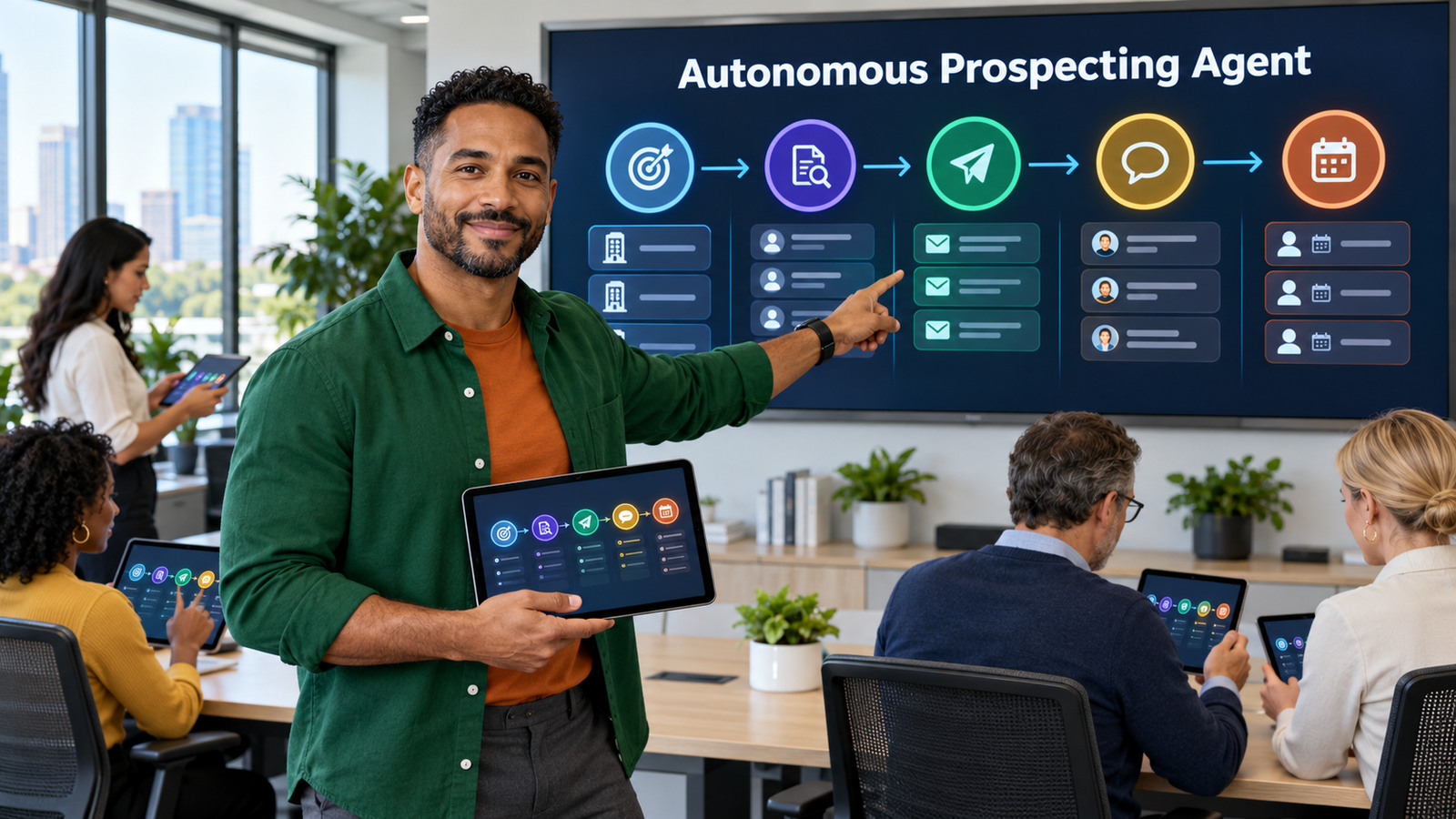
The BROSH Autonomous Prospecting Agent combines live CRM context with Codex or Claude reasoning and reusable skills that define how each prospecting step should run.
Last modified by BROSH CRM on October 8, 2026.
Connect BROSH, Skills, and Your AI Prospecting Agent
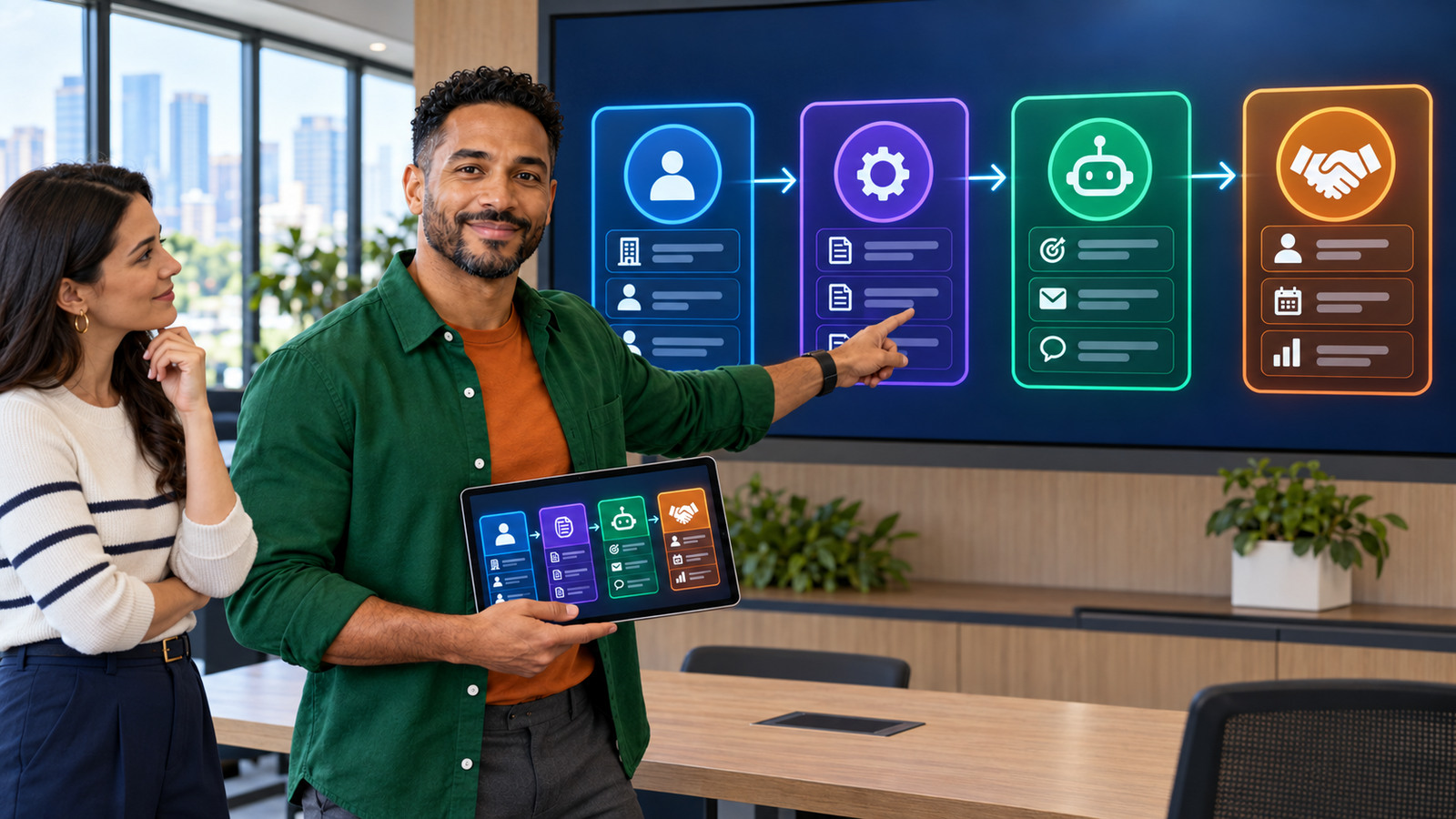
The agent needs a reliable system of record, controlled tools, a reasoning model, and a repeatable prospecting method.
- BROSH AI CRM: leads, contacts, accounts, activities, owners, opportunities, and follow-up history.
- BROSH MCP: authenticated tools that expose supported CRM searches and actions.
- Codex or Claude: reasoning for research, fit analysis, message preparation, and next-step selection.
- Skills: reusable instructions for targeting, evidence checks, qualification, outreach, follow-up, and handoff.
The BROSH plugin includes prospecting skills for Codex and Claude. The public BROSH CRM MCP project on GitHub documents the CRM tools and AI SDR workflow those skills use.
Start With a Precise ICP and Exclusion Rules
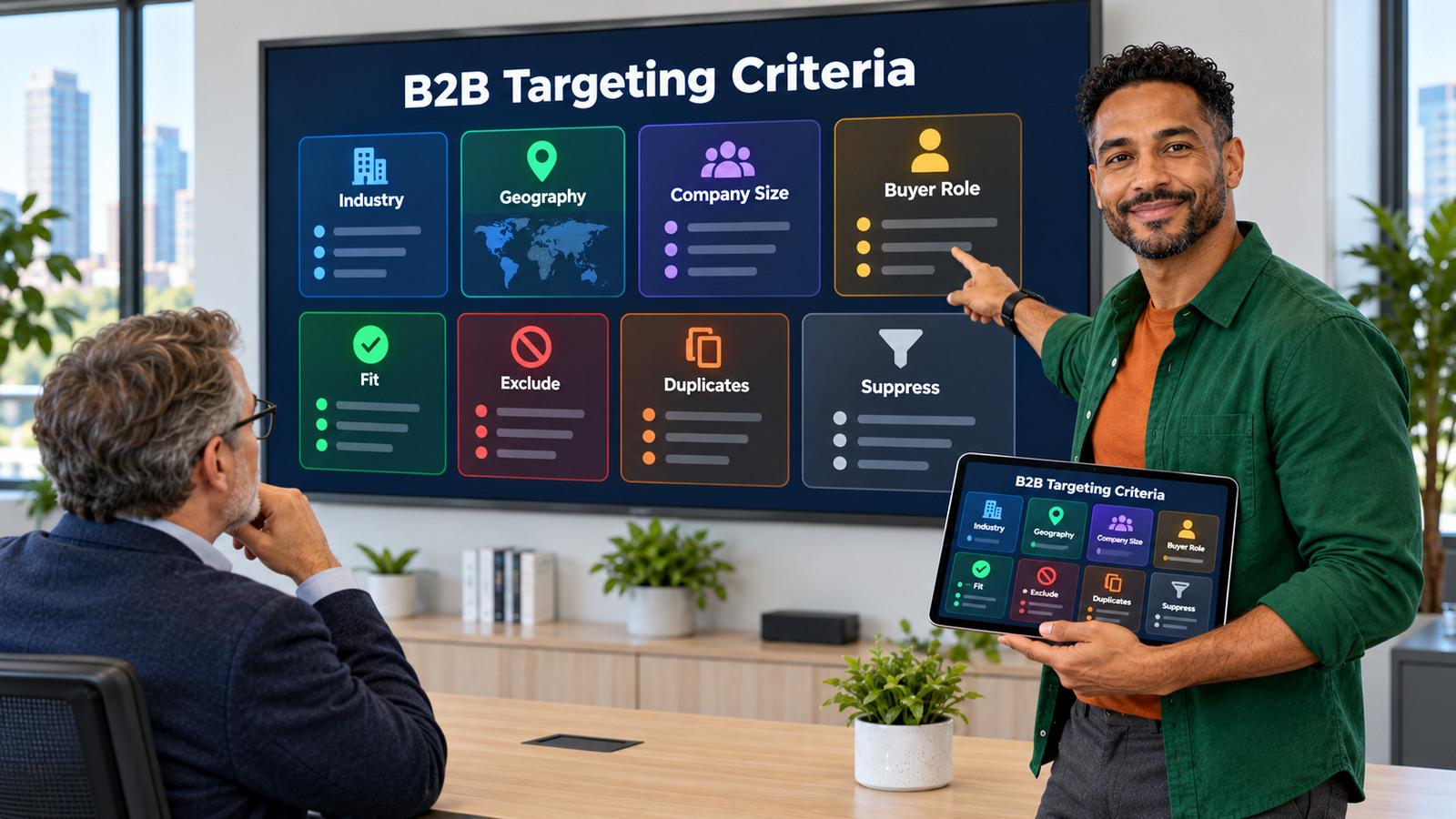
Autonomy begins with boundaries. Define the industries, locations, company sizes, roles, buying situations, and evidence that make an account worth researching.
Then define exclusions: existing customers, active opportunities, competitors, unsuitable regions, missing lawful contact paths, opted-out recipients, and accounts a salesperson already owns.
Use the explainable lead qualification workflow to keep scoring criteria visible.
Research Prospects and Keep the Evidence
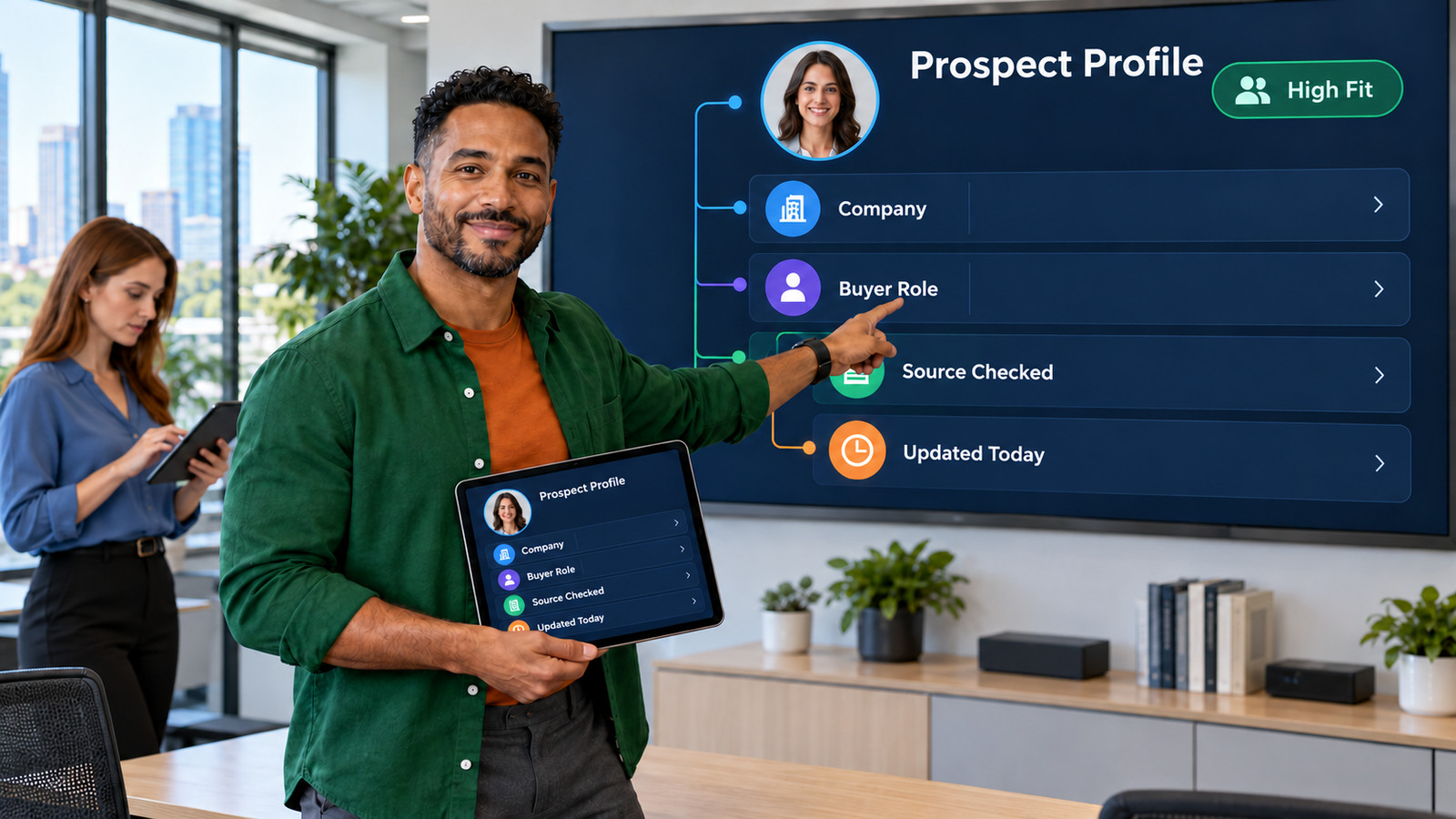
The agent can identify and import prospects that match the approved ICP, then attach the facts that explain the match.
Useful evidence includes the company, role, location, stated business activity, relevant need, source, and freshness date. Missing or conflicting facts should trigger review rather than invention.
Keep the prospect, company, source notes, owner, and next action together in BROSH. The AI contact capture guide explains how clean records support reliable follow-up.
Score Fit Before Outreach Begins
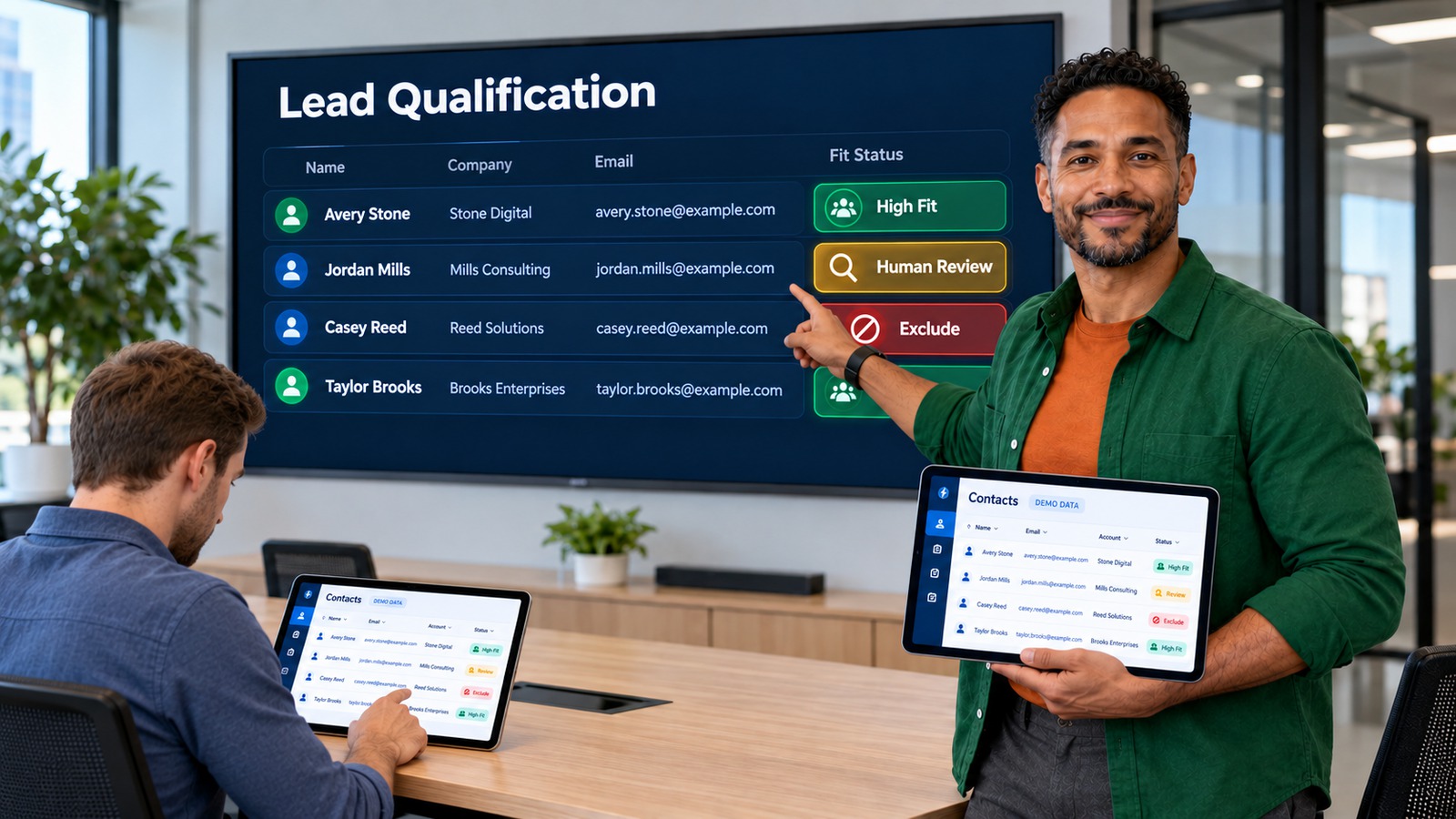
Qualification should separate strong matches from uncertain records. Score the prospect against visible criteria instead of relying on an unexplained AI label.
- High fit: sufficient ICP evidence and a relevant role.
- Review: promising account with missing or conflicting information.
- Reject: exclusion rule, duplicate, suppression, or poor fit.
Assign an owner and next step only after the record passes its gate. This protects salespeople from noisy lists and gives managers a reviewable reason for every priority.
Personalize Outreach With Human Controls
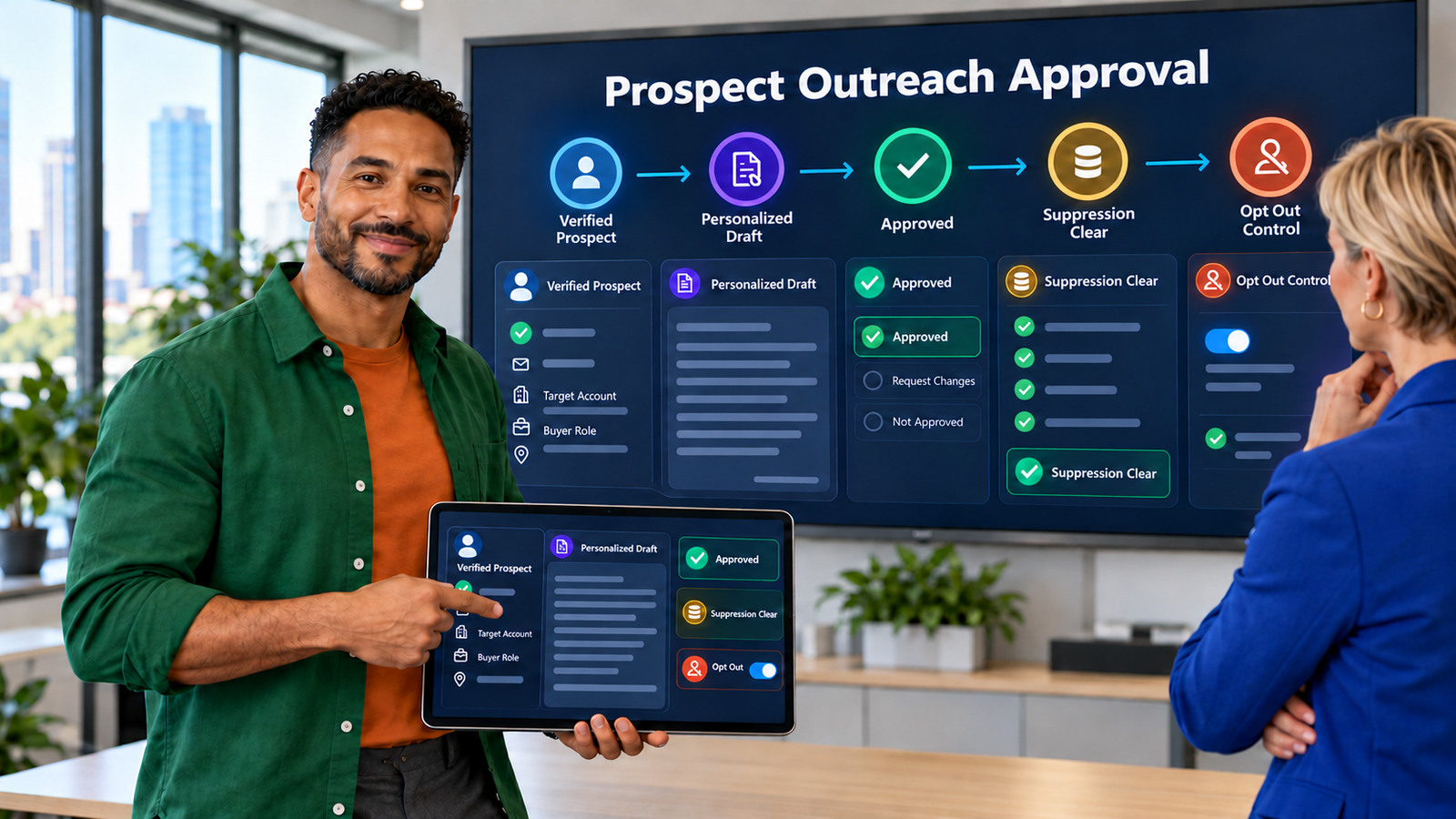
The agent prepares a message from verified prospect facts, the approved offer, and the selected business reason. It should never fabricate familiarity, intent, relationships, or results.
Start with draft-only mode. Review a sample for factual accuracy, tone, targeting, suppression, and compliance before allowing approved one-to-one sending through supported BROSH tools.
The FTC states that U.S. commercial email rules also apply to business-to-business messages. Accurate headers, honest subjects, a postal address, and an effective opt-out process belong in the operating policy.
Use email deliverability guidance before increasing volume.
Turn Replies Into Meetings and Pipeline Handoffs
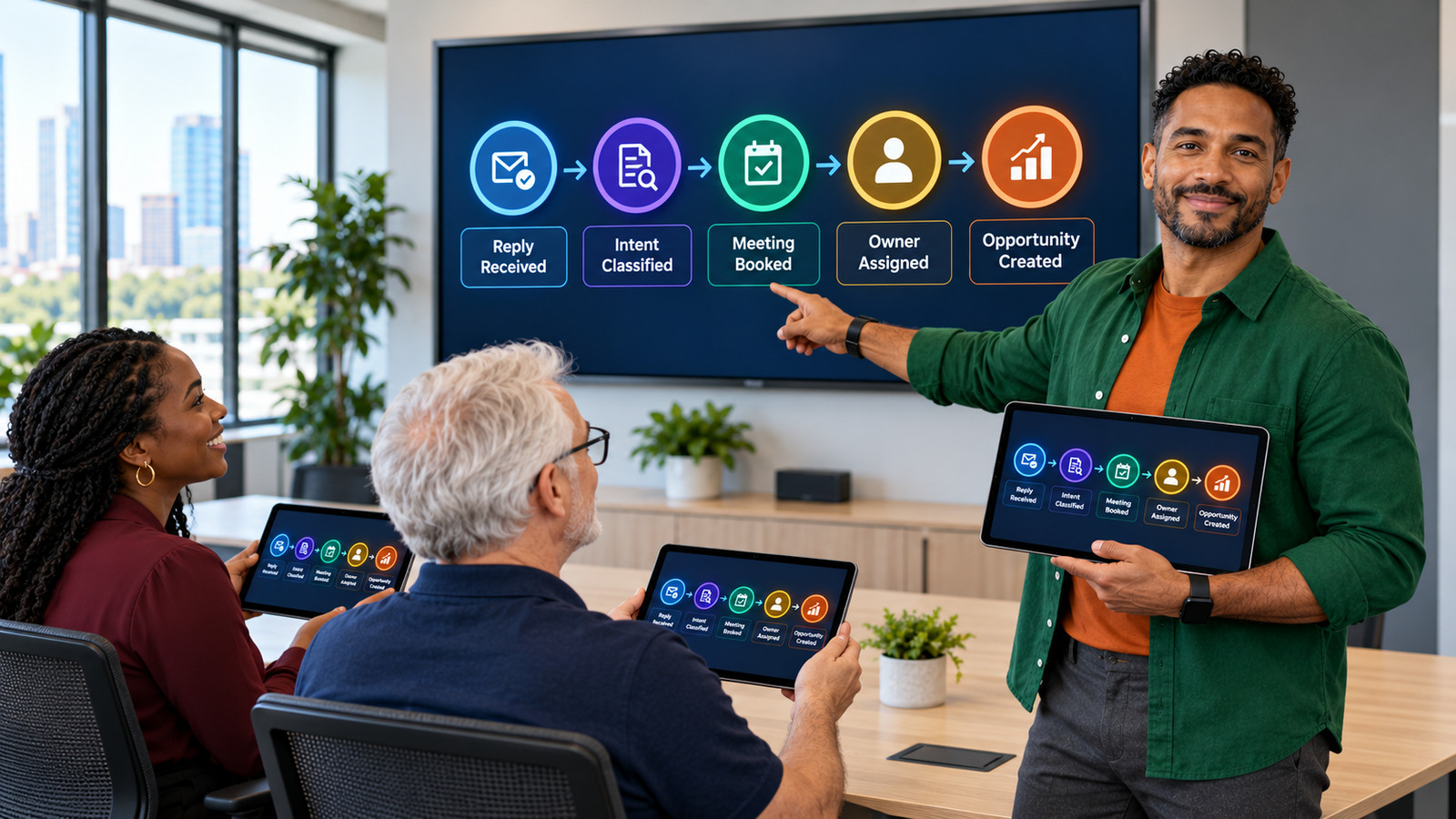
The agent can review replies, classify interest, create the next activity, schedule follow-up, and log a booked meeting when the connected workflow supports it.
Qualified interest should move to a named salesperson with the prospect evidence, conversation summary, objections, promised next step, and meeting details already attached.
The lead follow-up workflow keeps ownership visible, while the pipeline Kanban guide helps managers see accepted handoffs.
A Practical Autonomy Plan
| Stage | Agent responsibility | Control point | BROSH evidence |
|---|---|---|---|
| Target | Apply ICP and exclusion rules. | Approve criteria and suppression sources. | Qualification reason and exclusion result. |
| Research | Collect relevant prospect and company facts. | Reject missing, stale, or conflicting evidence. | Source note, freshness, and linked records. |
| Qualify | Score fit and suggest an owner. | Review uncertain and strategic accounts. | Fit factors, status, owner, and next step. |
| Engage | Draft or send approved personalized outreach. | Check accuracy, suppression, consent policy, and opt-out handling. | Message, approval, send activity, and response. |
| Handoff | Classify replies and prepare the sales conversation. | Sales accepts qualified interest. | Meeting, summary, activity, and opportunity. |
Questions and Answers
What makes the BROSH prospecting agent autonomous?
It can run approved discovery, research, qualification, outreach preparation, follow-up, and CRM logging steps without waiting for a new prompt at every stage.
Can we require approval before outreach?
Yes. Start with research and draft-only permissions, then add controlled sending after the team validates accuracy, targeting, suppression, compliance, and reply handling.
How do Codex and Claude skills help?
Skills provide reusable instructions for ICP rules, evidence checks, qualification gates, message review, follow-up, and handoff. MCP provides the authorized BROSH tools and data.
What should we automate first?
Begin with prospect research, duplicate checks, fit explanations, and draft outreach. Add sending, reply handling, and meeting workflows after reviewing real samples.
Give the Agent a Sales Policy It Can Follow
BROSH provides the customer and sales system of record. Codex or Claude provides reasoning. Skills turn your ICP, outreach standards, approval rules, and handoff process into repeatable work.
Sources: OpenAI skills and plugins documentation; Anthropic Agent Skills overview; BROSH CRM MCP on GitHub; FTC CAN-SPAM compliance guide.
Launch Your BROSH Autonomous Prospecting Agent
Map your ICP, evidence rules, prospecting skills, outreach controls, follow-up, and sales handoff into one connected BROSH AI CRM workflow.
Talk to a CRM Expert